
🌲 U.S. Tree Trimmer Job Guide: Pay, Safety, Requirements, and Career Outlook
Tree trimmers—also known as tree cutters or arborist helpers—play a critical role in maintaining healthy trees and safe outdoor environments across the United States. As cities expand and extreme weather increases, the demand for skilled tree trimming workers continues to grow.
If you’re considering this career, this guide answers the most common job-seeker questions: pay, safety, experience requirements, training, and long-term prospects.
🪵 What Does a Tree Trimmer Do?
Tree trimmers are responsible for maintaining trees in residential, commercial, and public areas.
Typical duties include:
✂️ Trimming and pruning tree branches
🌲 Removing dead or hazardous limbs
⚠️ Clearing trees near power lines, roads, and buildings
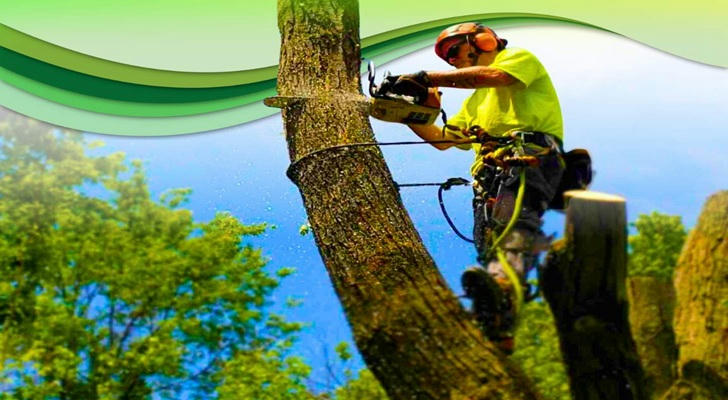
🪜 Climbing trees using ropes, harnesses, or lifts
🛠️ Operating chainsaws and other cutting equipment
🧹 Cleaning up branches and debris after work
Work is often outdoors and physically demanding, but many workers find it rewarding and skill-based.
💰 How Much Do Tree Trimmers Earn?
Pay depends on experience, location, and job type.
Typical U.S. Pay Ranges:
Entry-level / helper: $18 – $24 per hour
Experienced tree trimmer: $25 – $35 per hour
Certified arborists / specialists: $40+ per hour
Additional earning potential:
⏱️ Overtime pay
🌪️ Emergency storm-response bonuses
📆 Seasonal and year-round employment options
Tree trimming often pays higher than general landscaping due to the skill and safety requirements.
🧰 Do You Need Experience or Certification?
Good news for beginners:
Many employers hire without prior experience and provide training.
Basic requirements:**
Physical strength and comfort working at heights
Ability to work outdoors in all weather
Willingness to follow safety rules strictly
Reliable transportation
Helpful (not always required):
Chainsaw or equipment experience
Previous landscaping or construction work
Tree climbing or rope skills
Certifications (for higher pay):
ISA Certified Arborist
OSHA safety training
CDL (for driving bucket trucks)
🦺 Safety: A Top Concern for Job Seekers
Tree trimming is a high-risk occupation, so safety is a major concern for both workers and employers.
Reputable employers provide:
🪖 Helmets, gloves, eye and hearing protection
🧗 Harnesses, ropes, and fall-prevention systems
🧑🏫 Safety training and supervision
📋 Clear procedures for equipment use
If safety training or protective gear is not offered, job seekers should proceed with caution.
📍 Where Are Tree Trimmer Jobs in Demand?
Tree trimmers are needed nationwide, with strong demand in:
🌲 Urban and suburban areas
🌪️ Storm-prone regions
⚡ Utility and power line maintenance services
🏡 Residential tree service companies
🏛️ Municipal and government crews
States with high demand include California, Florida, Texas, Georgia, and the Midwest.
📝 How to Apply for Tree Trimmer Jobs
You can find openings through:
Local tree service companies
Utility contractors
City and county job boards
Online job platforms (search “Tree Trimmer” or “Arborist Helper”)
Application tips:
✔ Highlight physical work experience
✔ Emphasize safety awareness
✔ Be honest about experience level—training is common
Many jobs involve a short skills assessment or paid training period.
🌼 Final Thoughts
Tree trimmer jobs in the U.S. offer strong wages, steady demand, and career growth, especially for workers willing to learn and follow safety standards. While the work is physically demanding, it rewards skill, responsibility, and experience.