
🧬 IVF Financial Support in the U.S.: Subsidies, Grants & Assistance Options
Embarking on an IVF (In Vitro Fertilization) journey can be both emotionally and financially challenging. In the United States, the cost of IVF can range from several thousand to tens of thousands of dollars per cycle, often making fertility treatment out of reach for many hopeful parents. Fortunately, there are financial support options, grants, charities, and subsidy programs designed to help individuals and couples manage IVF costs.
This guide explains the key resources available, what financial help is accessible, and how to improve your chances of receiving support.
🩺 Why IVF Costs Matter
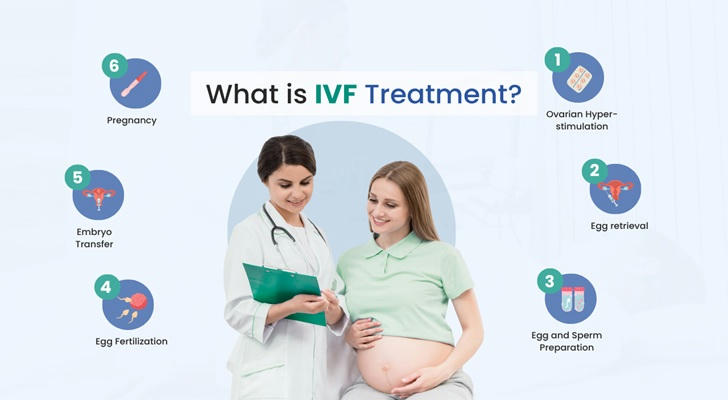
IVF involves a series of medical procedures, hormonal medications, monitoring, egg retrieval, fertilization, and embryo transfer. These steps make IVF expensive, and in many cases, health insurance may not cover fertility treatment or covers only part of the cost.
While treatment costs vary by clinic and region, many patients can expect:
💸 IVF cycle: $12,000 – $20,000+
💊 Medications: $1,500 – $5,000+
❌ No universal federal subsidy in all states
Given this financial burden, understanding available financial assistance programs becomes crucial for many families trying to conceive.
🤝 Financial Resources: Grants, Scholarships & Subsidies
There are several U.S.-based resources that can help you reduce out-of-pocket costs or even obtain partial or full coverage through grants and subsidies targeted at IVF and fertility care.
🤝IVF Grants & Scholarships
Many nonprofit organizations and fertility foundations offer grants or scholarship funds specifically for IVF treatment. These grants are typically awarded based on financial need, personal circumstances, or specific eligibility criteria.
Examples include:
🧡 Fertility Foundation grants designed to subsidize IVF costs
💟 Scholarships offered to individuals or couples who meet income or residency criteria
👩👩👧 Support funds aimed at single parents or LGBTQ+ families
To apply, you often need to prepare:
A short personal essay explaining why you need financial help
Income documentation
Some medical or reproductive treatment history
These grants are not loans — they generally do not need to be repaid if awarded.
(Information based on nonprofit listings and financial support summaries. )
2. 🏥 Clinic Financial Assistance & Affordable Options
Many fertility clinics in the U.S. recognize the cost barriers and offer internal financial assistance programs:
Sliding-scale pricing or reduced fees based on income
Low-cost IVF or fertility packages
Discounts for multiple cycles
Flexible payment plans through the clinic
Before seeking outside financial support, ask your chosen clinic:
👉 Do you offer internal grants or subsidies?
👉 Are there reduced-cost or package pricing options?
👉 What payment plans and financing programs are available?
These internal supports can significantly lower the overall cost of treatment while making IVF more accessible.
3. 💳 Third-Party Loan and Financing Options
Some clinics partner with medical lenders to provide fertility financing or patient loans:
Patient finance companies offering specialized IVF loans
Options to pay over time
Sometimes including interest-free or low-interest periods
Carefully review terms and interest rates before committing, as fertility loans are a financial obligation and should be assessed alongside other support options.
📉 Government and State Support Options
Unlike some other countries with universal fertility coverage, the United States does not mandate federal IVF funding. However, certain state laws and employer plans may provide fertility coverage or mandate insurance benefits.
Some key points:
Some states have insurance mandates requiring private coverage for infertility or fertility treatment
Employer health plans may include or offer optional fertility coverage or IVF benefits
Medicaid generally does not cover IVF, but in limited circumstances may help with related reproductive health care
If you have employer-sponsored insurance, review your plan details to understand your coverage.
🛠 How to Apply for IVF Grants & Financial Aid
Seeking financial support doesn’t need to be overwhelming — here are straightforward steps to get started:
📌 1. Make a List of Available Grants
Research organizations and foundations that provide fertility grants or scholarships in the U.S.
📌 2. Prepare Your Documentation
Common application materials include:
Income verification
Personal essay or story
Medical documentation (fertility history or doctor referral)
📌 3. Apply Early & Follow Deadlines
Many grant programs have specific windows for applications or seasonal deadlines.
📌 4. Contact Clinics About Internal Funding
Fertility clinics often have their own financial assistance or bundled pricing — ask before moving forward.
📌 5. Track Multiple Opportunities
It’s common to apply to more than one grant or support program — increasing your chances of receiving aid.
🧡 Tips for Maximizing Financial Support
Here are practical strategies to boost your success in securing assistance:
✔ Provide a clear and heartfelt personal statement — often, grant decisions are influenced by personal stories
✔ Include supporting documents that demonstrate financial need or special circumstances
✔ Stay organized with deadlines, requirements, and follow-up communication
✔ Build relationships with clinic financial counselors — they can point you to lesser-known resources
📍 Conclusion
While IVF treatment can be expensive, it doesn’t have to be unaffordable. Through a combination of:
🌟 Grants and scholarships
🌟 Clinic financial assistance
🌟 Flexible payment plans
🌟 Employer or insurance benefits
many hopeful parents are finding ways to pursue fertility care without bearing the full cost alone.
If you’re considering IVF, take time to research available support, assess your insurance options, and explore grant opportunities — you might qualify for assistance that dramatically reduces your financial burden.