
Government-Supported Hairdressing Courses & Paid Training Programs
If you’re considering a career as a hairdresser or professional stylist, government-supported training programs can help you earn credentials, build skills, and increase job prospects — often with paid training, apprenticeships, or financial assistance. This guide explains what options are available, how to qualify, and how to get started without excessive cost.
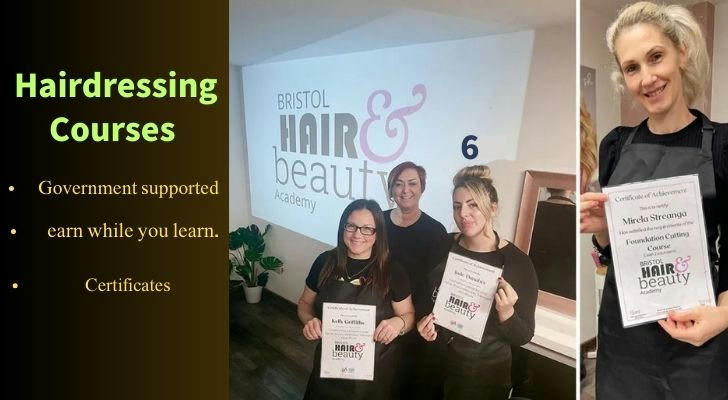
🧑🎓 What Are Government-Supported Hairdressing Programs?
Several federal and state initiatives support vocational training in trades like cosmetology and hairdressing. These programs are designed to:
Provide paid or subsidized training
Help learners earn industry-recognized certificates
Connect trainees with apprenticeships and employer placements
Increase access to careers in salon and beauty services
Programs may be delivered through apprenticeship systems, community college partnerships, or workforce development funds.
💡 Key Types of Supported Training
1. 🎓 Registered Apprenticeships
Apprenticeships combine on-the-job work with classroom instruction. As an apprentice:
You work in a real salon setting
You receive training from experienced stylists
You often earn pay while you learn
Many programs lead to industry credentials
The U.S. Department of Labor apprenticeship finder lists licensed programs that may include hairdressing, cosmetology support roles, or related service occupations. These listings help you find apprenticeships near you.
2. 💼 Government-Subsidized Hairdressing Courses
Certain workforce development programs allocate funding for cosmetology and hairdressing training. These may:
Cover tuition or reduce costs significantly
Allow students to access tools, kits, and materials
Provide wraparound support (career services, job placement, mentoring)
State or local workforce boards can guide you to funded options based on your location and eligibility.
3. 💸 Paid Training Pathways
Some hairdressing initiatives, often in partnership with nonprofits or salons, offer paid training where participants:
Learn technical skills (cutting, coloring, styling)
Practice safety and hygiene standards
Receive hands-on mentoring
These programs may be tied to job placement opportunities at the end.
🪄 What You’ll Learn in Hairdressing Training
Government-supported programs cover essential skills including:
✂️ Hair cutting and trimming techniques
🎨 Hair coloring and chemical processing
💆 Styling, blow-drying, and finishing services
🧴 Sanitation and safety best practices
💼 Customer service and professional salon operations
Upon completion, you’ll typically earn a certificate or hours toward state licensure, which is required to work as a professional hairdresser.
📋 Requirements & Eligibility
Requirements vary by program and location, but common criteria include:
✔ Be at least 16 or 18 years old (varies by state)
✔ Have a high school diploma or equivalent (in some cases)
✔ Meet state apprenticeship or training eligibility guidelines
✔ Participate in an interview or intake process
Many programs are open to individuals without prior experience, making hairdressing accessible to beginners.
🎯📍 Licenses & Credentials
In most U.S. states, working as a hairdresser/cosmetologist requires a state license. Government-supported training often counts toward the required hours or prepares you for the licensing exam.
Typical steps to become licensed:
Complete required instructional hours
Pass written and practical exams
Apply for a state cosmetology or hairdressing license
Training programs tied to government support frequently align with these requirements.
💼 How to Find & Apply for Programs
🧭 Use Official Resources
- Apprenticeship.gov
Search for registered hairdressing or related apprenticeships
Filter by location and occupation
Connect with sponsors and training sites 👉 The federal apprenticeship finder helps you locate structured, employer-linked options.
- Workforce Development & Career Centers
Contact local workforce boards for information on funded courses
Many centers help with applications and eligibility review
- Community Colleges / Vocational Schools
Many local schools offer cosmetology training with potential funding support
🧠 Final Thoughts
Government-supported hairdressing courses and apprenticeships make it easier for aspiring stylists to enter the beauty industry with less financial strain and real career support. Whether you’re new to cosmetology or looking to upgrade your skills, these programs provide training, certification pathways, and opportunities to earn while you learn.