
Canadian Government English Language Programs: A Complete Guide for New Immigrants
Moving to Canada is exciting — but adjusting to daily life often requires strong English language skills. Whether you’re navigating workplaces, schools, or community life, being confident in English can make all the difference.
Good news: Canada offers government-supported English courses, including free or low-cost programs for new immigrants and permanent residents. These courses help you improve speaking, listening, reading, and writing skills while adapting to life in Canada. Here’s how they work and how to access them
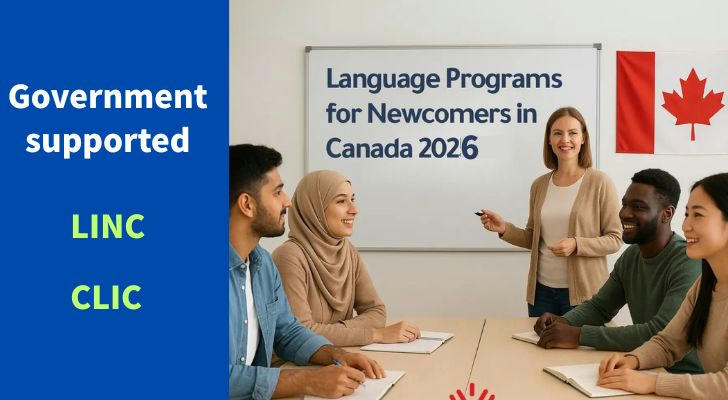
🏫 Government-Supported Language Programs
The Government of Canada, through Immigration, Refugees and Citizenship Canada (IRCC), supports English language training programs aimed at helping newcomers settle and integrate.
📌 Language Instruction for Newcomers to Canada (LINC)
LINC is one of the most recognized government-supported English language programs for eligible newcomers.
Key features include:
🗣️ Focus on speaking, listening, reading, and writing
📊 Multiple proficiency levels, from beginner to advanced
👥 Practical language skills for everyday and workplace use
🖥️ Options for both in-person and online learning
🎓 Standardized assessments to measure language progress
Courses are designed to help participants function confidently in Canadian social and professional environments.
🏢 Community-Based and Settlement Agency Programs
In addition to national programs, many provinces and local settlement organizations deliver government-aligned English courses through community centers, educational institutions, and newcomer support agencies.
These programs often emphasize:
Real-world communication scenarios
Workplace and job-search language skills
Cultural orientation and community integration
Adult-focused learning environments
Such courses are commonly structured to accommodate newcomers with work or family responsibilities.
🖥️ Online English Learning Options
For immigrants who need flexibility, online English courses supported or recognized by settlement organizations offer an alternative to classroom-based learning.
Online options may include:
✔ Live virtual classes with instructors
✔ Small-group speaking and conversation practice
✔ Listening and pronunciation training
✔ Progress evaluations or completion certificates
These formats are particularly suitable for individuals balancing employment, childcare, or transportation limitations.
📝 How to Access Government-Supported Language Programs
Getting started with an official English language program typically involves the following steps:
Visit the Government of Canada’s language training page
Review available programs supported by IRCC
Choose a local or online service provider
Complete a registration or referral process
Attend a language assessment if required
Program availability and delivery formats may vary by province and city.
🎯 Choosing the Right English Course
When selecting a language program, newcomers should consider:
📌 Personal Goals
Employment-focused English
Daily communication and integration
Academic or long-term professional development
📌 Learning Format
In-person classes for structured interaction
Online courses for schedule flexibility
📌 Additional Support
Some programs also include:
Job readiness workshops
Resume and interview language support
Cultural orientation sessions
These added elements can significantly support settlement and employment outcomes.
🧩 Final Thoughts
Canadian government-supported English language programs provide structured, practical learning opportunities for immigrants at different stages of settlement. Whether through national programs like LINC, community-based providers, or online platforms, these courses are designed to help newcomers build the language skills needed to live and work successfully in Canada.
Improving English proficiency is not just about language — it’s about access, confidence, and opportunity in your new home.